

New Zealand’s economy is slowly finding its feet again. The latest labour market signals suggest the worst may be behind us, but the recovery is still fragile. Jobs are stabilising, wages remain soft, and that combination matters a lot for interest rates and mortgage holders.
So what does this mean for borrowers, mortgage repayments, and the Official Cash Rate (OCR)?
Jobs are stabilising, not surging
Economists are starting to see early signs that the labour market has bottomed out. Employment is growing again, but only just enough to keep up with population growth. That means unemployment is likely close to its peak rather than about to fall sharply.
A key signal is hours worked. Businesses are getting more out of existing staff before committing to new hires. This is typical in the early stages of a recovery. Employers test demand first, then hire later.
For households, this brings cautious reassurance. Job security is improving, but it’s not a boom. That matters when lenders assess mortgage repayment affordability and long-term servicing risk.
Wages remain subdued
Despite the improvement in jobs, wage growth is still weak. Annual pay increases are sitting around levels that don’t add much pressure to household budgets.
Many workers are coping with cost-of-living pressure by working more hours rather than earning more per hour. While some skilled roles are becoming harder to fill, businesses are not competing aggressively on pay.
This is a big reason the Reserve Bank can afford to be patient.
Strong wage growth often forces central banks to hike rates faster. Right now, that pressure just isn’t there.
What this means for the OCR
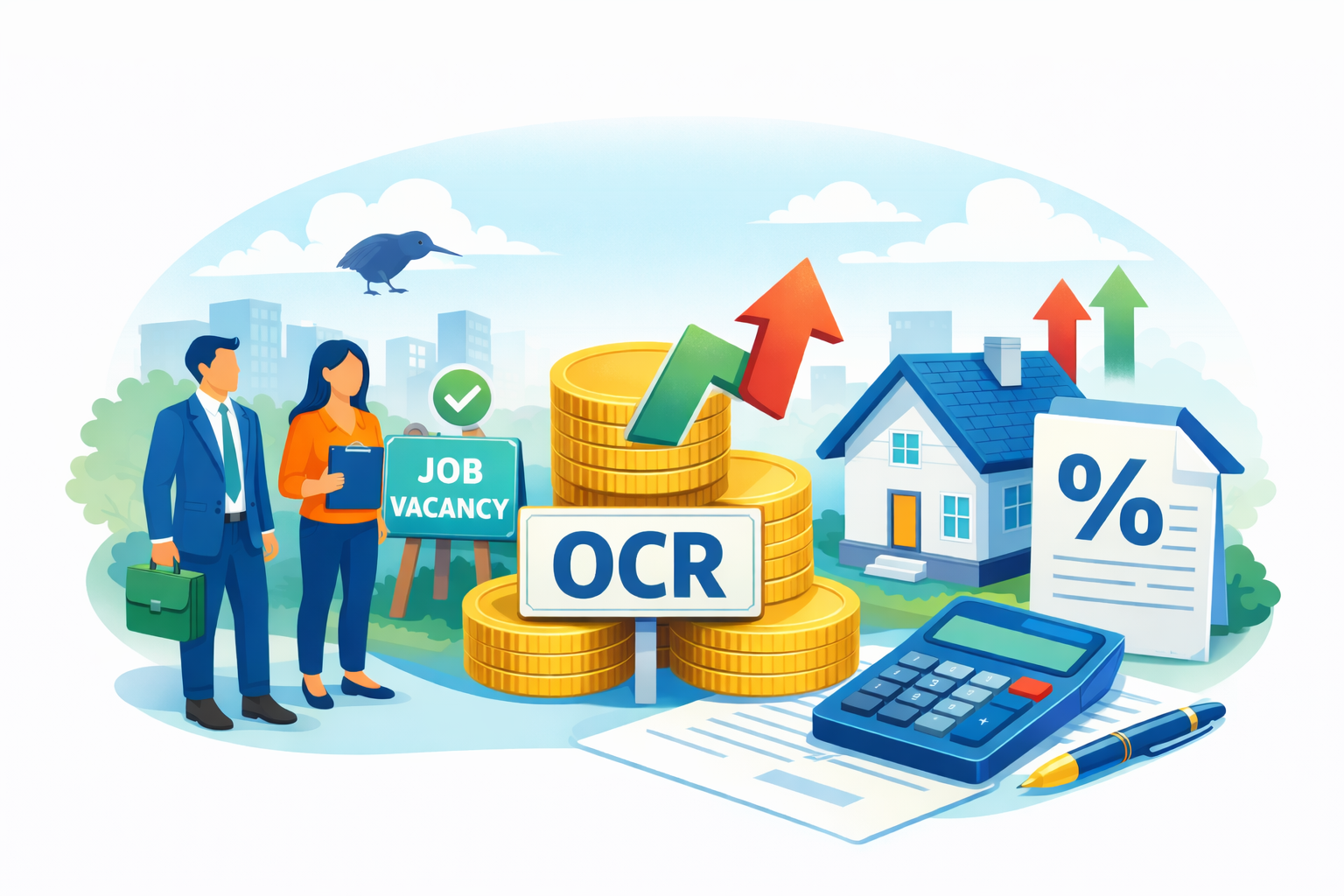
With jobs stabilising and wages contained, the Reserve Bank is expected to hold the OCR in the near term. Future decisions will depend on how this slow recovery develops rather than any sudden labour market shock.
The likely theme is higher for longer, but not runaway increases.
Interest rates may stay elevated for a while, but the risk of sharp, unexpected hikes is lower than it was a year ago. For borrowers, that provides more certainty when planning refixes and budgeting mortgage repayments.
What borrowers should think about now
If you’re a homeowner or buyer, this environment calls for realism, not panic.
Here are a few things worth reviewing:
Mortgage repayment planning
Make sure your budget still works if rates stay higher for longer. Use a mortgage repayment calculator to stress-test your numbers, not just at today’s rate but slightly higher.
Refix timing
There’s no one-size-fits-all answer. Some borrowers benefit from splitting loans or choosing shorter terms to stay flexible.
Borrowing capacity
If you’re asking “how much can I borrow?”, lenders are still conservative. Stable employment helps, but affordability tests remain tight.
Using an interest rates mortgages calculator can help you see how different rates and loan terms affect your repayments before making decisions.
Why advice matters right now
In a slow, uneven recovery, small decisions can have long-term consequences. This is where working with a mortgage broker in New Zealand adds real value.
A good financial adviser doesn’t just chase the lowest rate. They look at:
- Job stability and income structure
- Future refix risk
- Buffers for higher repayments
- How lending fits alongside mortgage and insurance planning
That broader view matters when the economy is improving, but not yet strong.
The bottom line
The labour market is no longer getting worse, but it’s not roaring back either. Wage growth is soft, which keeps pressure off aggressive OCR hikes. For borrowers, that means more stability, but still a need for caution.
If you’re reviewing your mortgage, buying your first home, or reassessing protection, now is a good time to talk through your options properly.
At Buddy, we help clients make sense of changing conditions, plan sustainable mortgage repayments, and align lending with the right mortgage and insurance structure for their situation.
If you want clarity on where you stand, we’re here to help.
.png)


.png)